Our new large-scale project: Tukuta Secondary School – Educational opportunities for girls in the Simanjiro District
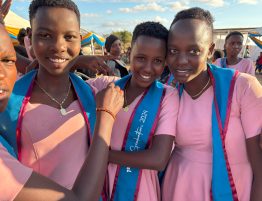
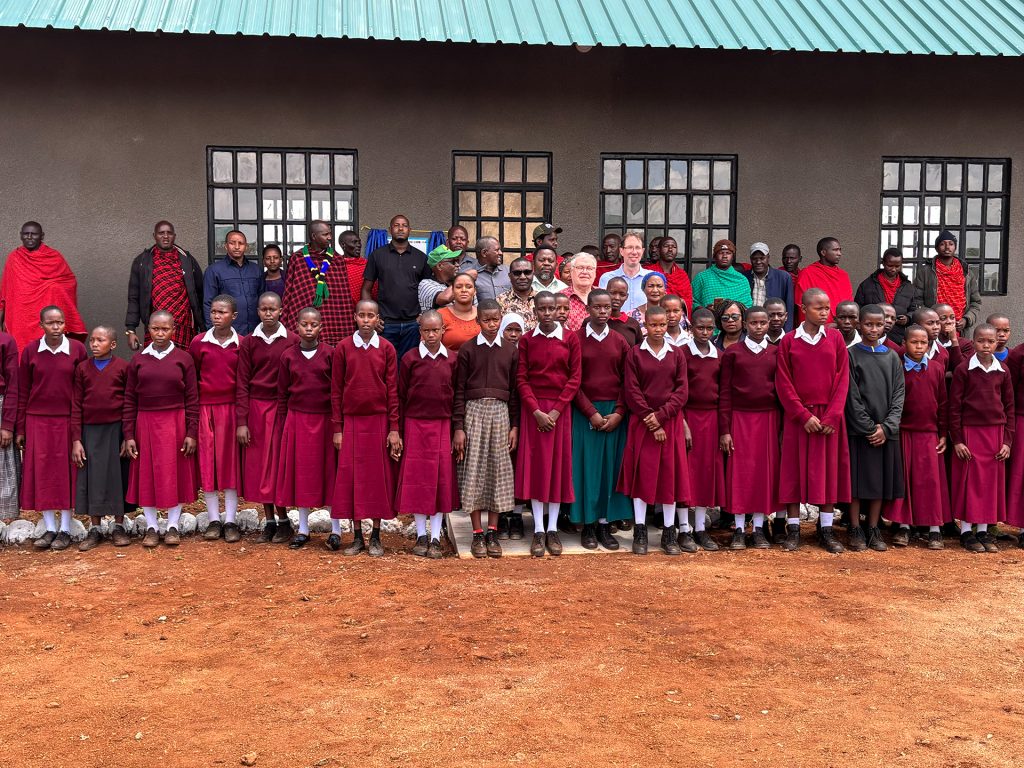
Supporting women and girls is a central focus of upendo. Education is a crucial factor in enabling a person to lead a self-determined life and secure better prospects for the future. With the Tukuta Secondary School (“Breath, Breeze”), the first secondary school specifically for girls is being established in the Simanjiro District. On the initiative of and with significant support from upendo and our Tanzanian partner organisation ECLAT, girls and young women in the region are being given the chance to continue their education within an accessible distance – in a safe environment that facilitates learning and personal development.
It took just one year from the first planning meeting to the ceremonial handover and opening of the school. This impressive achievement was made possible by the dedicated collaboration of many stakeholders – initiated and supported by upendo and ECLAT, together with the local community, the Tanzanian authorities and thanks to the generous financial support of the school’s sponsors.
Greeting from Minister Herbert Reul, patron of upendo
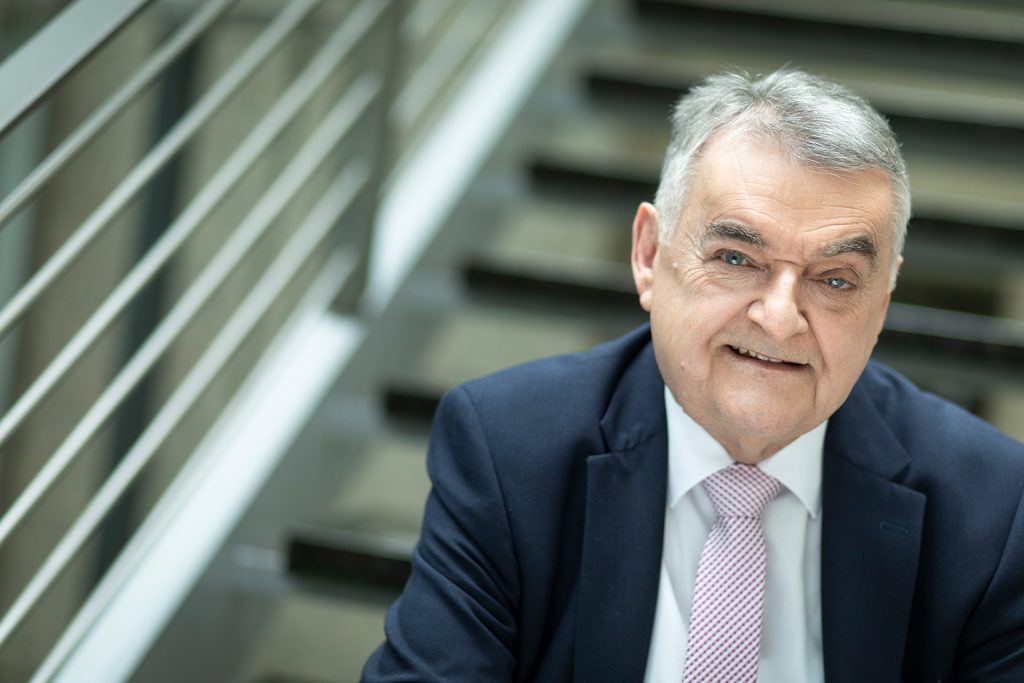
Dear members, supporters and friends of upendo ,
this annual report demonstrates that, in 2025, your association once again achieved outstanding results in promoting three key pillars of development in Tanzania: education, water projects, and the empowerment of girls and women.
Once again – thanks to the great generosity of donors and funding – several school buildings have been completed. For instance, two fully equipped classrooms with sanitary facilities were handed over to Naankaileer Primary School. A new secondary school for girls has also been established. Furthermore, you continue to support water projects to ensure people have access to clean potable water.
Through the excellent cooperation with the Tanzanian partner organisation ‘ECLAT Foundation’, you are able to implement these important projects in the areas of education and infrastructure in partnership. However, such a good working relationship is not something that just falls into your lap; rather, it always rises and falls with the people who stand behind it and dedicate themselves to it: for this reason, I would like to thank you all, and in particular your Chairman, Dr Heimbach, most sincerely for your commitment.
Dear friends of upendo, dear Dr Heimbach, in 2024 your association celebrated its 10th anniversary. And my impression is that the cooperation has become even more solid and established over the years – a strong bond of friendship has developed between Leichlingen and Tanzania. In a world where there seems to be ever-increasing hostility, you can be particularly proud of this!
Warm regards
Herbert Reul MdL (Member of the State Parliament)
Upendo
Upendo was founded in 2014 with the aim of promoting the local development of remote and underdeveloped communities. Its partner organisation is the ECLAT Development Foundation, through which local people and those familiar with their culture bring about developments within their communities. The board of comprises Dr Fred Heimbach (Chair), Matthias Schmid (Deputy Chair) and Joachim Buchmüller (Treasurer).
WHERE does upendo work?
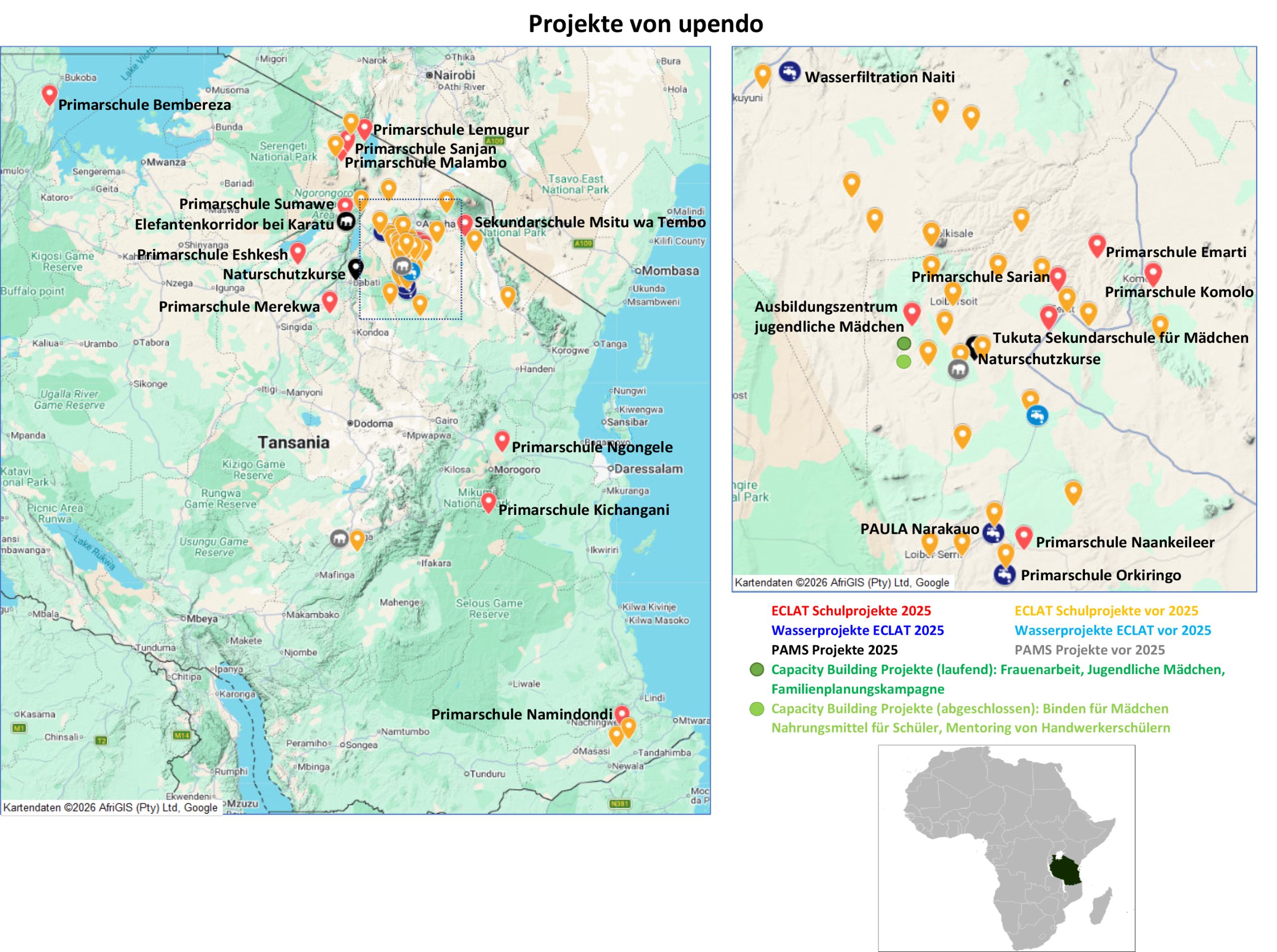
Insights into ECLAT’s and upendo’s aid projects:
In December 2025, we were delighted to experience not only the captivating country of Tanzania but also the work of ECLAT and to gain an insight into ECLAT’s projects. The organisation makes a significant and effective contribution in the areas of education, women’s empowerment, access to water and sanitation, and healthcare.
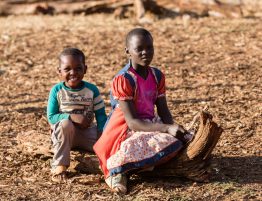
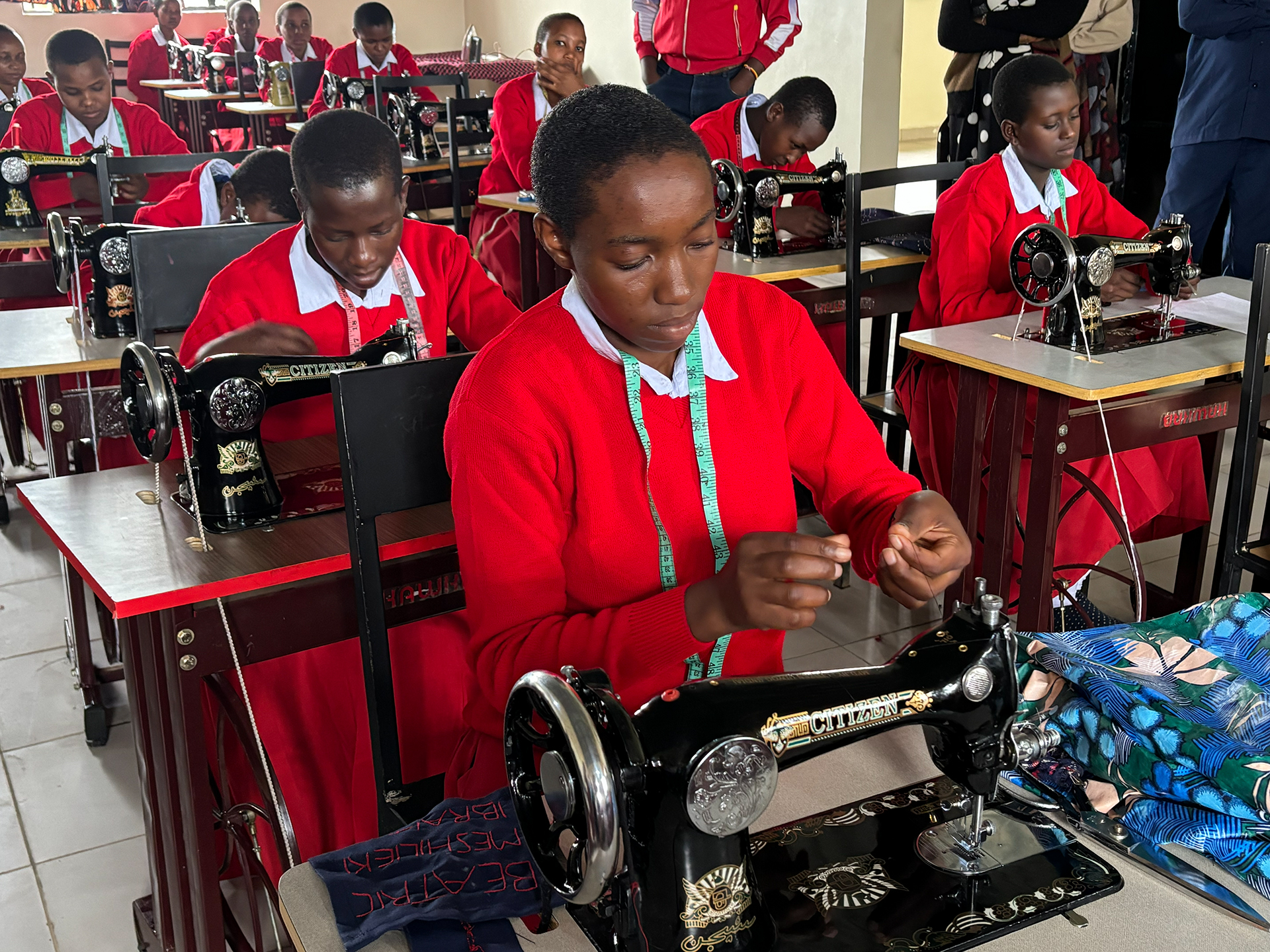
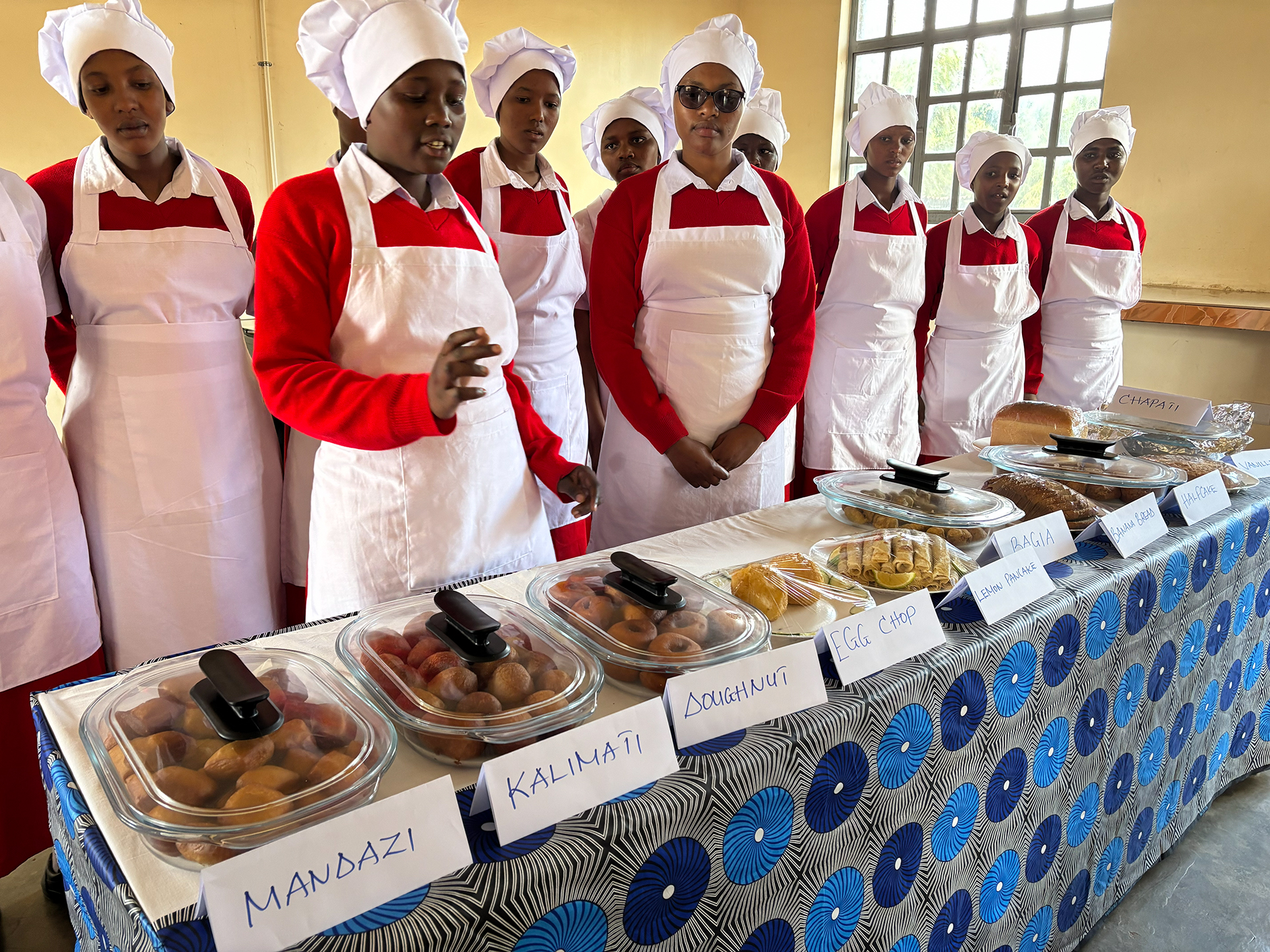
On the very first day, we visited one of the more than 50 schools built by ECLAT in Tanzania. School attendance is compulsory in the country. However, it is quickly apparent that it is not only the climatic conditions that present people and animals with particular challenges on a daily basis. During dry spells or droughts, girls in particular have to help their parents and look after the livestock, amongst other things, instead of going to school. ECLAT builds the schools and hands them over to the government. The government then appoints teachers and provides long-term management of the schools. This enables many children, particularly in the remote areas of the Maasai region, to access school education – children who previously could not attend school due to the large distances between their homes and the nearest school. At the vocational school for teenage girls, pupils acquire practical skills such as cooking or tailoring, as we were able to see for ourselves. This provides the young women with an opportunity to build a self-reliant livelihood in the long term.
ECLAT’s outstanding work does not end with the construction of schools. One impressive example is a women’s project in which members of a women’s group generate their own income by rearing and selling chickens. Microloans enable the women to start their own small businesses. Here we witnessed the power of helping people to help themselves, as well as the strong sense of community among the women, who support one another with great joy and pride. The significance of education and support projects – from primary and secondary school through to vocational training – was evident in all areas. The support of girls and women, who remain disadvantaged here as in many regions of Tanzania, is of particular importance to ECLAT.
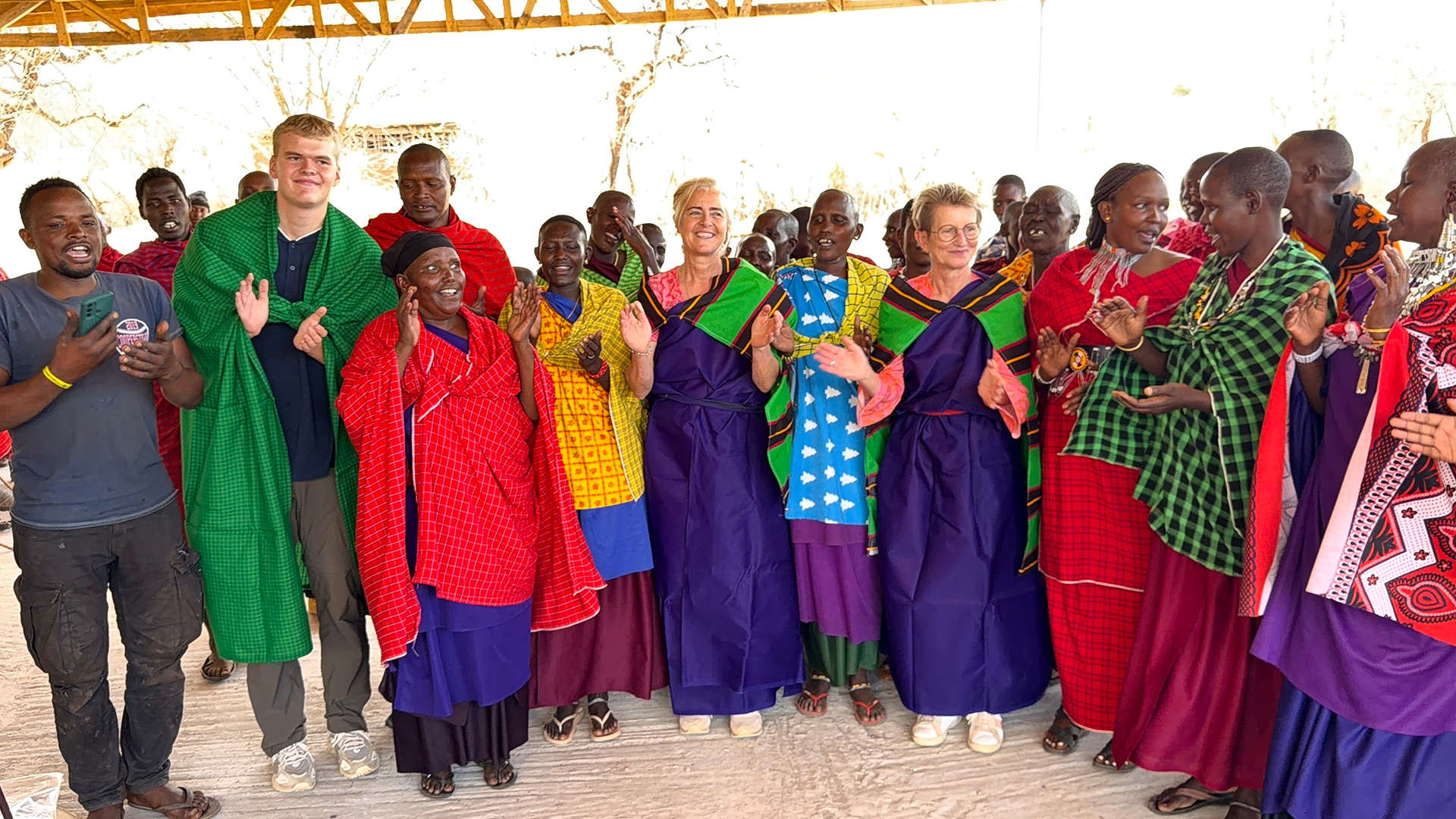
A visit to friends
Every encounter with the children, the young women and men, the ECLAT staff, the construction workers, the headteachers, the teachers, the cooks, the drivers, the members of the Toima family and the many singers deeply touched our hearts.
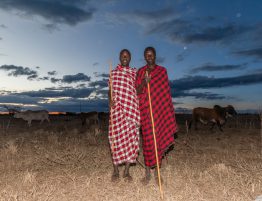
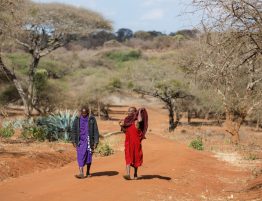
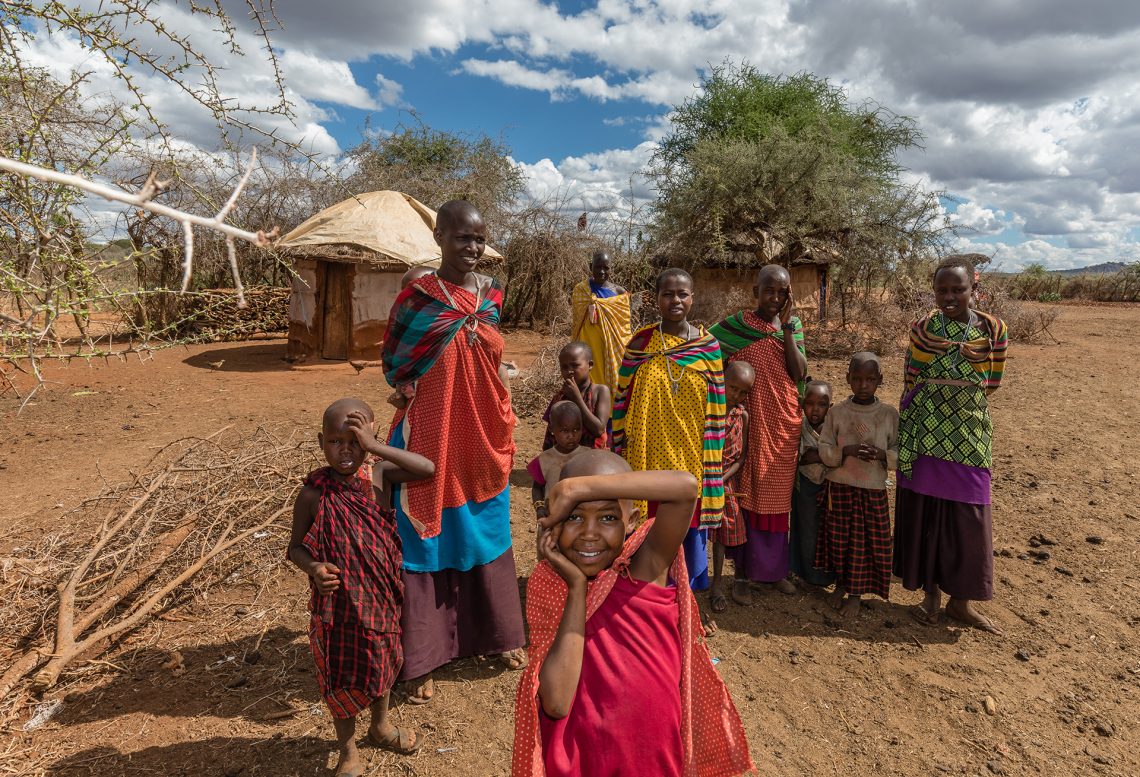
One of the most memorable experiences for us was visiting a Maasai boma, where we were welcomed with great open-heartedness and warm hospitality. It was a special honour to attend a community gathering of tribe members as guests. Open and in-depth discussions on family planning highlight the social change that ECLAT supports through its educational work. The village elder spoke openly about the fact that large families must be viewed critically today, in light of education, nutrition and healthcare. It was a unique experience for us to witness men, women and children taking part. Everyone was heard; no one was interrupted, even though the discussion was heated.
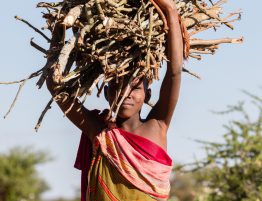
Every day we witnessed the challenges facing the people in this area: the long walks women undertake to fetch their daily supply of water, the long distances covered by boys and men as herders with their livestock, and the long walks children take to school. This made the people’s contentment, their zest for life and their sense of community all the more impressive to us. The visit impressively demonstrated to us just how valuable and necessary the ongoing support for ECLAT’s work is. We would like to thank all the staff and participants who gave us an insight into their work and their lives, and whose personal commitment has made these projects possible in the first place.
Doris Ruland-Dammer, Silke Heinrichs-Klärner, Jasper Ruland
Our commitment to school education
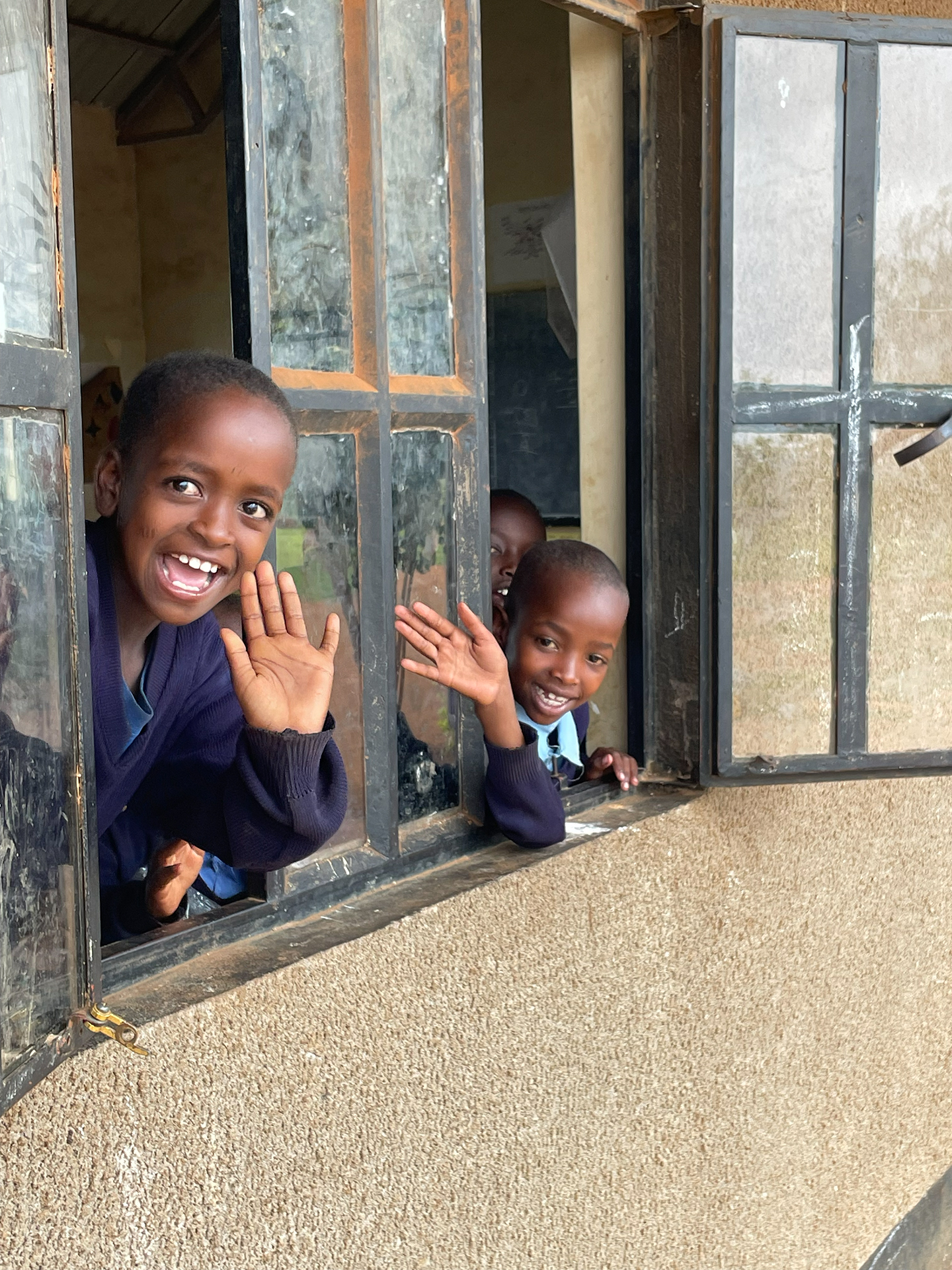
Last year, too, upendo was able to promote school education in underdeveloped and remote areas of Tanzania. Of the 15 primary schools in 2025, some old, dilapidated schools were renovated, others were expanded, and new ones were established. In total, was able to contribute to the construction of 60 primary schools and help many thousands of children gain access to school education. Nevertheless, the number of pupils in classrooms has risen significantly in recent years – a sign of the growing appreciation of school education within society.
From the very beginning, upendo has also been involved in the construction of secondary schools. Construction of the new Tukuta (“Breath, Breeze”) secondary school for girls began in early 2025, enabling the first girls to start classes there in February 2026. The school’s opening was celebrated on 19 February 2026 with a ceremony attended by local politicians and the local community. Three of the pupils achieved the best results in the whole district in the recent nationwide primary school leaving exams. What’s more, these three pupils are from Lenaitunyo Primary School, which was built a few years ago with the help of upendo. Their names are Skola Lenjala (15), Mabawa Lalaito (13) and Kalai Karduni (13), and they come from various bomas in the vicinity of Lenaitunyo Primary School.
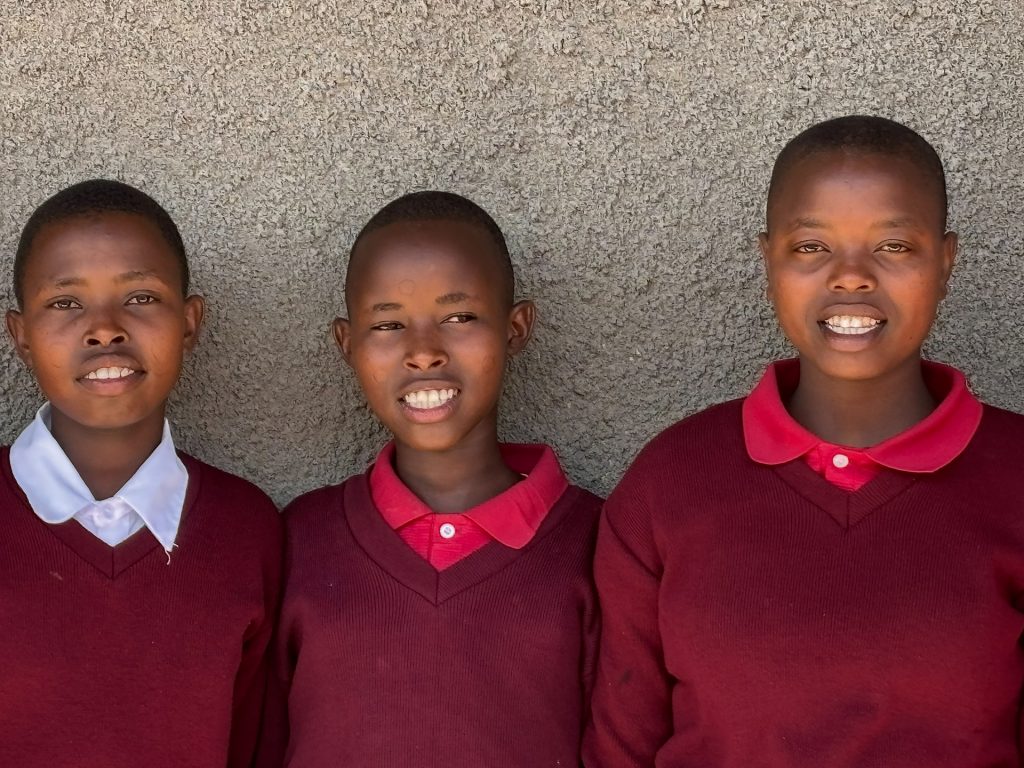
Skola said she would like to become a lawyer. She is working hard so that one day she can help support her family, to whom she is very grateful. Mabawa aspires to study to become a nurse. Helping people is important to her. Kalai hopes to work as a doctor one day. She emphasised her faith in God’s help so that she can successfully complete her schooling one day. All three are fortunate that their parents, including their fathers, support their schooling. This is not a given among the Maasai. The proud parents later explained that they have great trust in Toima Kiroya (Director of ECLAT) and that this had encouraged their decision to enable their daughters to attend school. We therefore regard the personal approach by members of the local community as a key factor in the success of all educational programmes.
Training centre for teenage girls
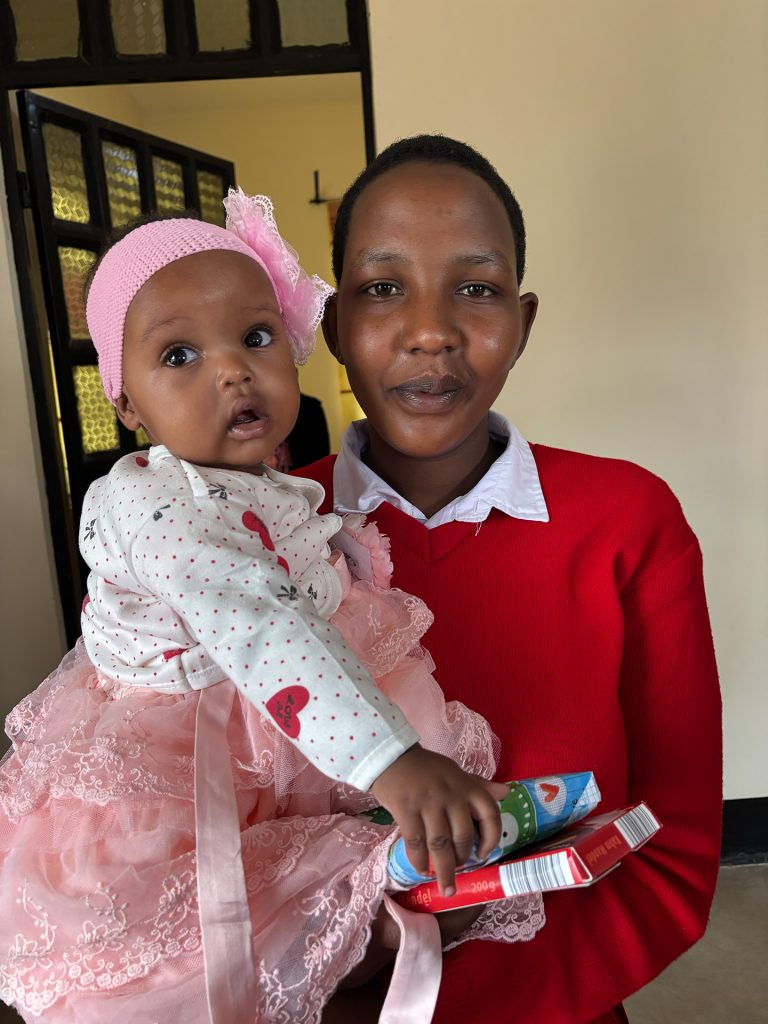
The construction of the training centre for teenage girls was undoubtedly the project that occupied us most in 2025. Construction work on the buildings was almost fully completed by the end of 2025, with only a few remaining tasks still to be completed in 2026. In January 2025, the new cohort was able to begin their two-year vocational training as planned. As before, the cohort comprises teenage girls aged between 14 and 20. Without the opportunity offered by the training project, most, if not all, of these girls would be married off in the near future. They are being trained in the subjects of Food Production & Beverages and Design Clothing & Textiles. The demand for vocational training places far exceeded our expectations: instead of the 22 girls planned, we could easily have taken on over 100. Following intensive consultations and a reorganisation of our spatial resources, we decided without further ado to increase the number of girls admitted each year to 34. We are glad that the BMZ (Federal Ministry for Economic Cooperation) – as the project’s main funder – has endorsed our approach and supported this expansion of the project. The girls sleep in the dormitories, eat together in the canteen, study theory in the classrooms and practise in the workshops. They are taught by their instructors, who also live on campus. The equipping of the workshops has made good progress in 2025, but still needs to be completed in 2026. One of the students was pregnant and gave birth to a daughter in the autumn. As we frequently have to expect pregnant students in Maasai culture, but do not wish to exclude them from the training, we have built a small residential house for them on the site. Someone looks after the babies there during the day whilst lessons are in session. All the girls are enthusiastic about the programme; not a single one of them has dropped out. They appreciate this opportunity for vocational training as a foundation for their future livelihood. Their enthusiasm and gratitude are evident on their faces.
Women’s Empowerment
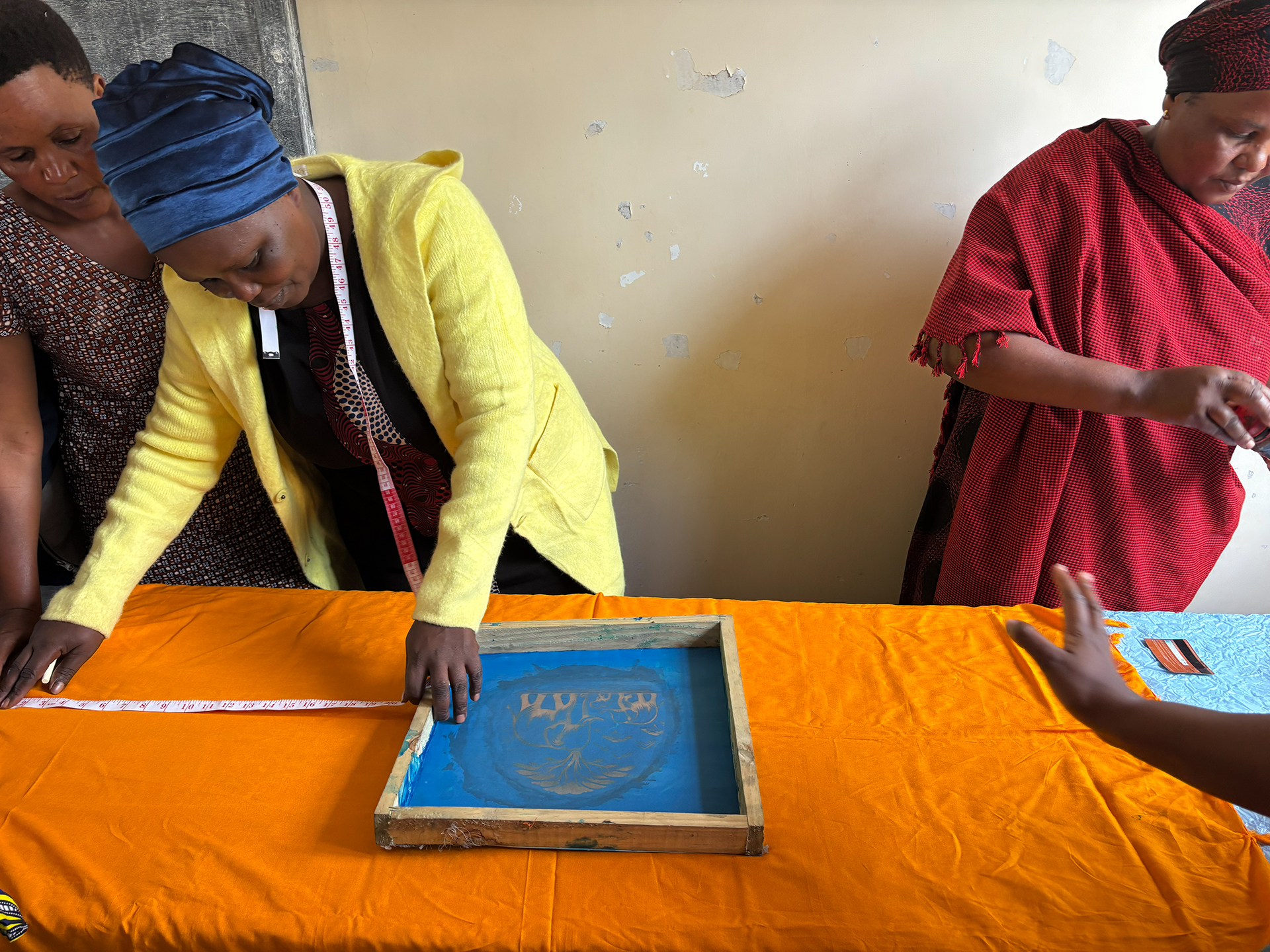
Last year, ECLAT’s women’s empowerment programme continued to focus on providing intensive training to women’s groups in economic activities, enabling them to generate their own income. Various groups had already learnt how to rear chicks and sell young chickens, whilst others had learnt how to produce and sell liquid and bar soap. The training also involves providing long-term support to the groups so that they do not give up at the first sign of difficulties within the group or with sales. Above all, they must learn to think and act economically. Other women’s groups learnt last year how to embellish scarves with batik and then sell them. Above all, they must learn to recognise which patterns are in demand and will sell well in the village markets. The groups are visited regularly by trainers from the ECLAT team. Each staff member supports the groups in a designated area. They know their groups well and can provide them with the best possible support. As recently as 10 years ago, men traditionally would not tolerate their wives having their own money. Now, however, they value the women’s income, as they themselves benefit from it along with their wives and children.
Family planning
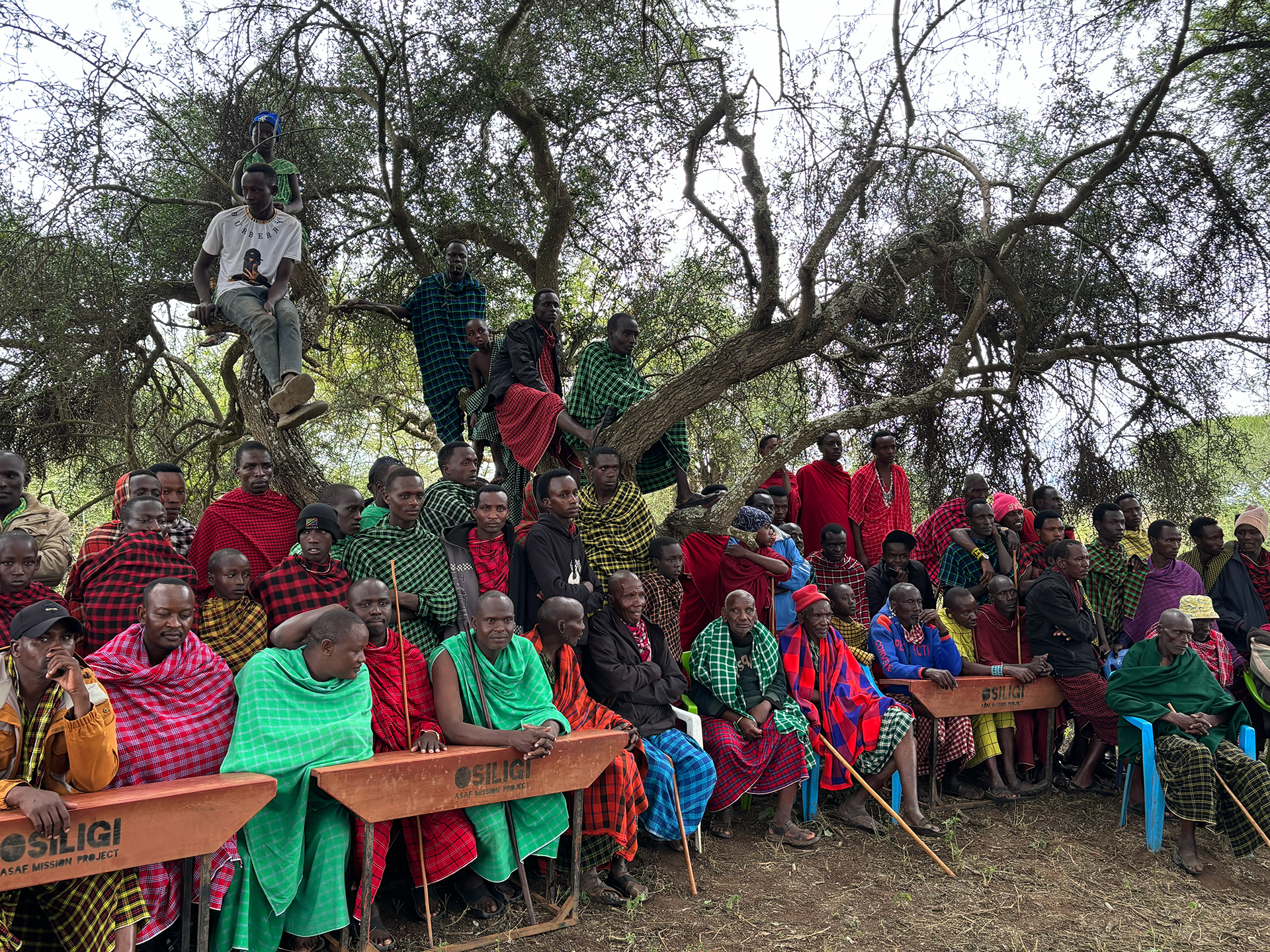
In Maasai culture, men take pride in having many children, but they leave the care of the children entirely to the women. The women struggle to feed and clothe their many children and are seeking options for family planning. However, this is rejected by most men. ECLAT has therefore begun to run family planning campaigns in the villages in recent years. The influential traditional tribal leaders have also recognised this need and are involved in the campaigns. Counselling for couples and treatment are then provided free of charge at state health centres. Our evaluation in 2025 showed that the population is now much more aware of the option of family planning, and significantly more couples are seeking contraceptive treatment than before. This is a hopeful prospect that encourages us to continue.
Water projects
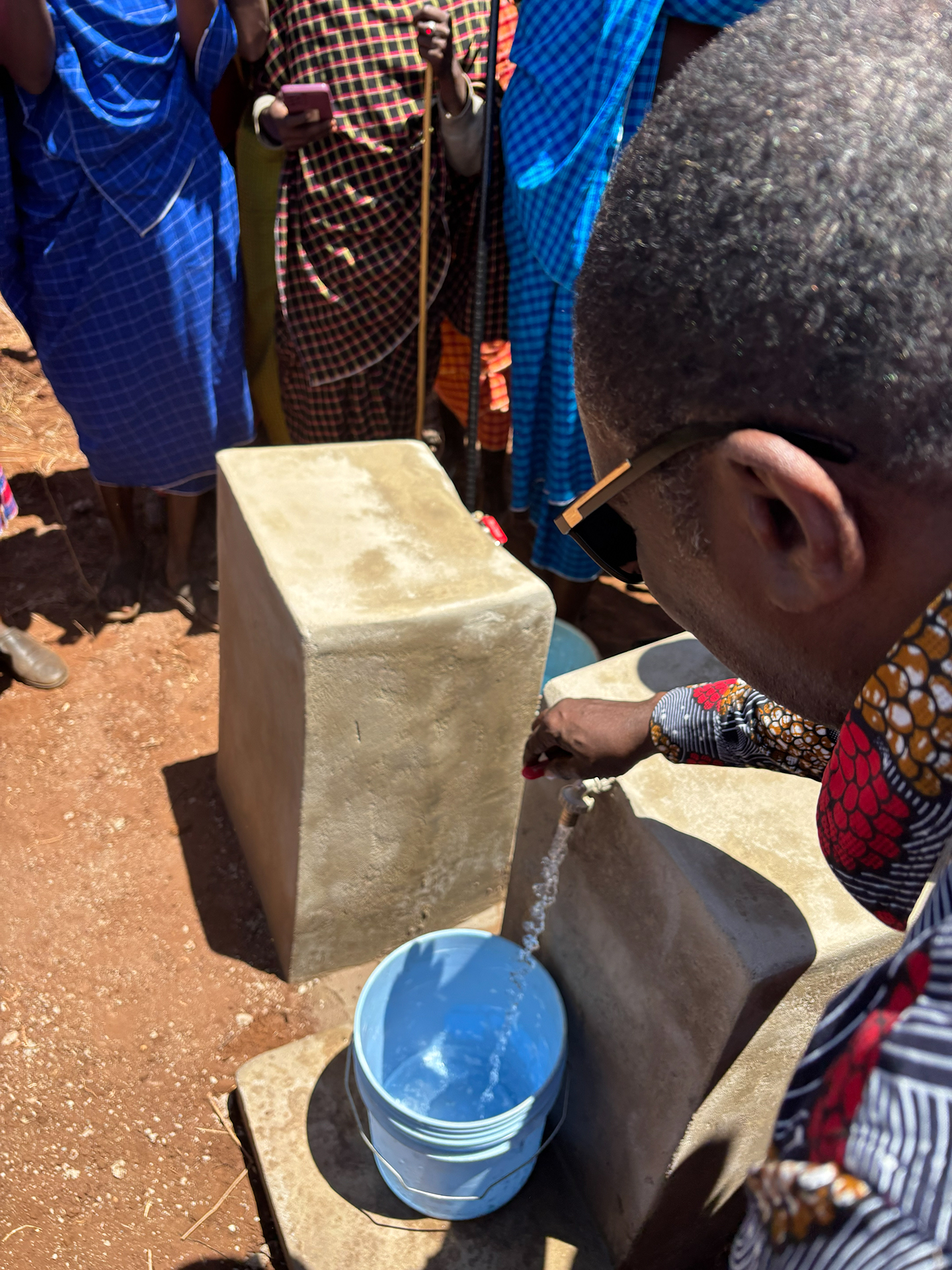
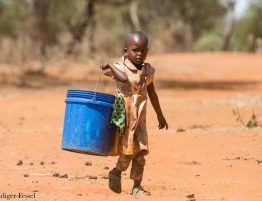
Water is a scarce commodity in the Maasai steppe and often has to be fetched from many kilometres away, frequently 10 to 20 km. However, surface water is polluted and often causes disease. The groundwater level is deep, meaning that boreholes usually have to be drilled to a depth of 150 m. In 2025, we successfully drilled for groundwater at Orkiringo Primary School. Potential water sources are particularly far away there, so many villagers have meanwhile moved to live near the school. Electricity generated by solar panels is now used to pump fresh, hygienically clean water into a water tank at the school. From there, it flows to a tap on the school grounds and, for the villagers, to another one next to the school. With a dry season lasting seven to eight months, climate change is more noticeable in northern Tanzania than elsewhere. We therefore intend to ensure a reliable water supply at the schools we build more frequently in future.
Elephant corridor at the Ngorongoro Crater
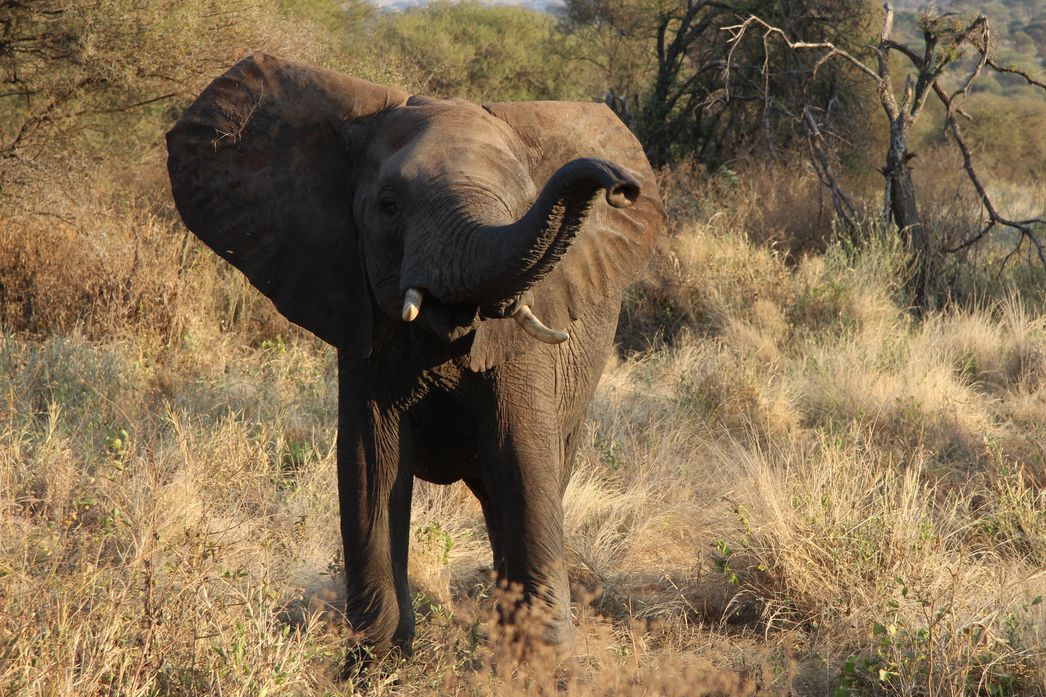
In the conflict between the local population and the wildlife in the national parks, we are supporting the PAMS Foundation with a small project. The elephants of the world-famous Ngorongoro Crater do not remain solely within the park; the bull elephants, in particular, migrate along centuries-old trails to other areas. Outside the crater, more and more people are settling and cultivating their fields. The elephants, however, pose a danger to people and threaten their crops in the fields. A natural fence made of cloths dipped in chilli broth now prevents the elephants from leaving the corridor from the Ngorongoro Crater into the neighbouring national park. This protects the people in the villages and the crops in the fields from the elephants. At the same time, the elephants are no longer viewed as a threat by people and are not poached. A comparatively simple method that enables the coexistence of humans and wildlife.
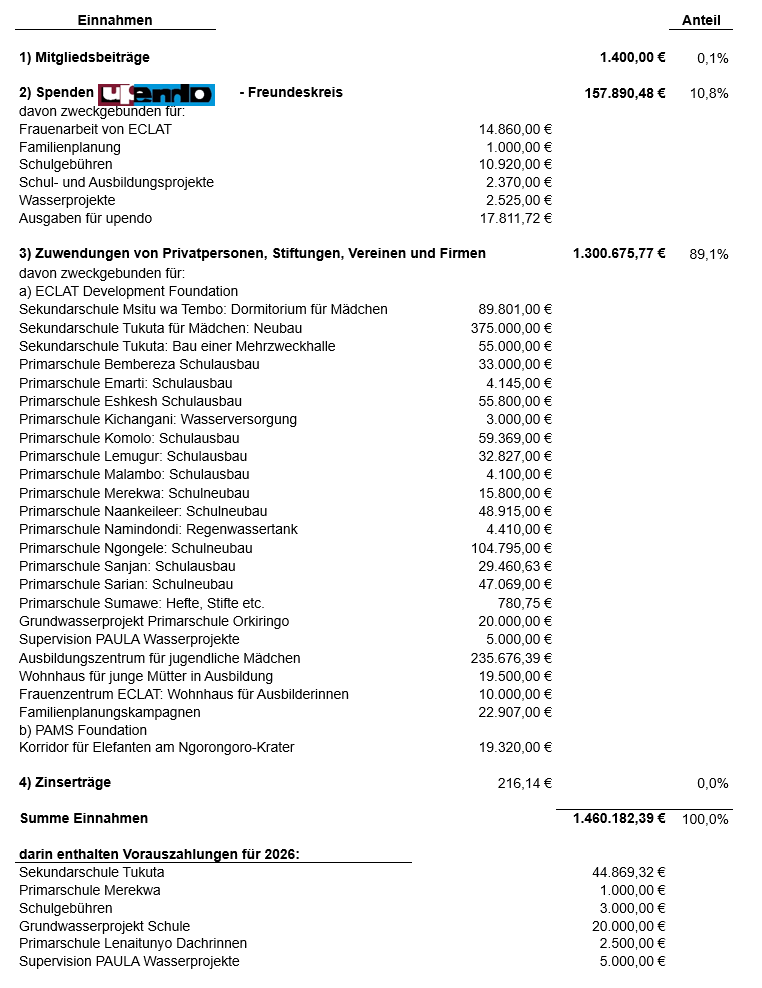
Income from upendo in 2025
upendo would like to thank all those who support our work in any form, also on behalf of the people affected in Tanzania. Special thanks for the support provided to upendo as detailed in the 2025 financial report, go to the Friends’ Association and the following organisations:
Expenditure of upendo in 2025
upendo incurred the following expenditure for the implementation of projects in Tanzania, as per the 2025 financial report:
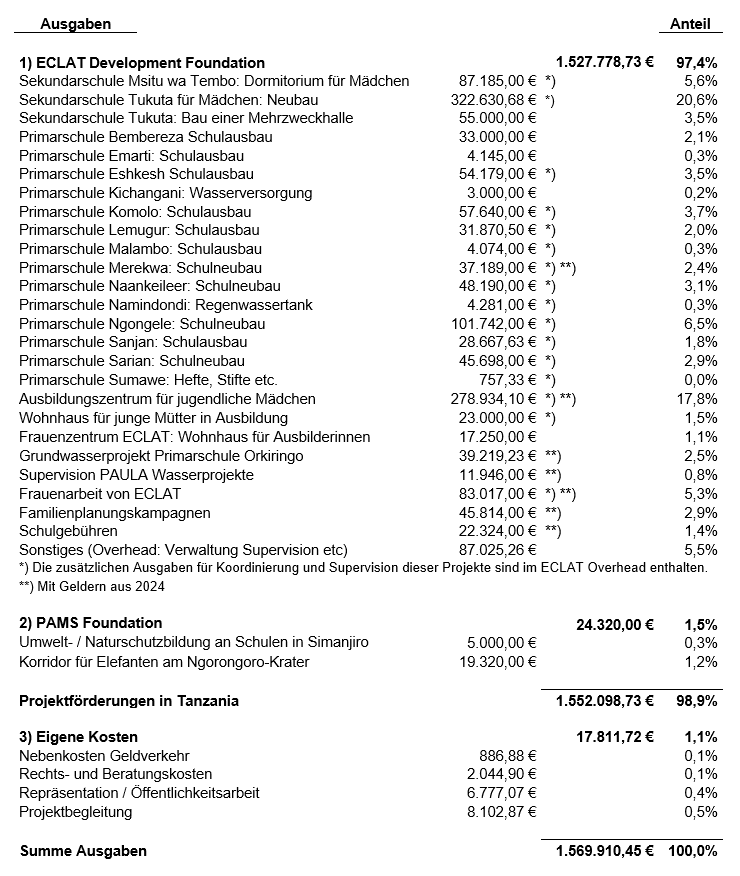
Transparency is a key priority for us. Our annual financial reports are subject to an external audit. After more than 10 years of being audited by JC Junga Consulting GmbH (Solingen), we have now entrusted this task to the independent tax consultancy firm simultax GmbH (Solingen). The records underlying the 2025 cash report were examined and checked for accuracy. In a letter dated 12 February 2026, simultax GmbH certified the accuracy of the cash report for the year 2025, which is also published on our website, including details of the cash balance at the beginning and end of 2025. The balances at the end of the year vary, as advance payments of varying amounts for projects in the following year are also transferred at the end of the year.
Visitors from Tanzania
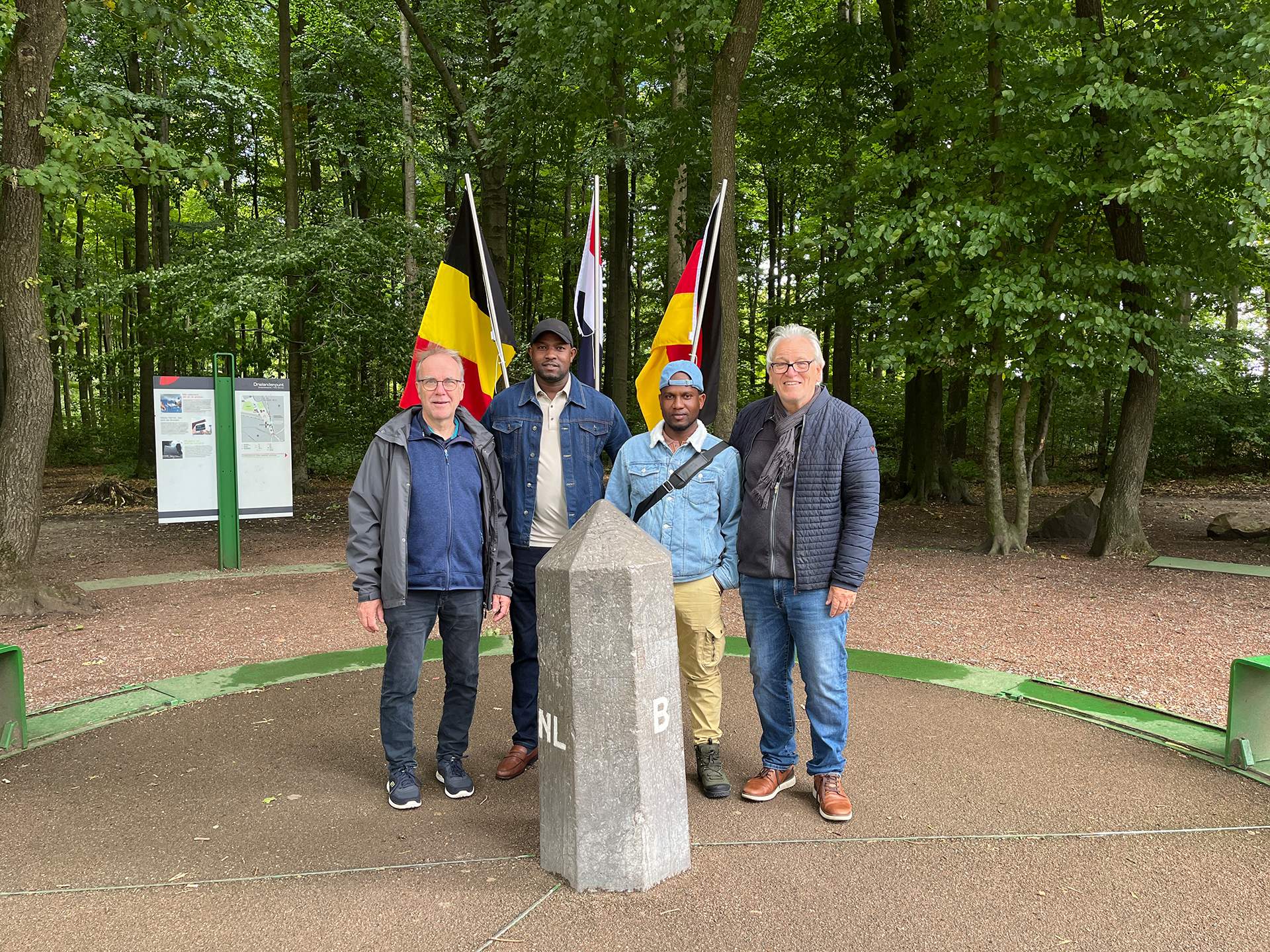
Two members of the management team from our partner organisation ECLAT visited upendo in September 2025: Denis Bura (ECLAT Accountant & Water Projects Manager) and Joseph Ginawe (ECLAT Office Administrator). During their two-week stay in Germany, they spoke with various sponsors and friends of upendo to provide a first-hand update on the situation on the ground in Tanzania. The programme also included a visit to Aachen University, for example, to gather information about water projects in Germany. Visits to cultural sites, such as Cologne Cathedral, as well as social institutions, such as a care home, also gave them the opportunity to gain an insight into life in Germany. Both expressed their heartfelt thanks for the invitation and returned to Tanzania with a wealth of impressions.